
Keith Wilts, CIC, CPCU
is a member of the National Faculty for CIC and Ruble Seminars and serves as a CIC Education Consultant, as well as a licensed Insurance Consultant with 48 years of experience in account management and claims handling across commercial, personal, and farm insurance.
Urban Expansion’s Impact on Rural Risks and Insurance
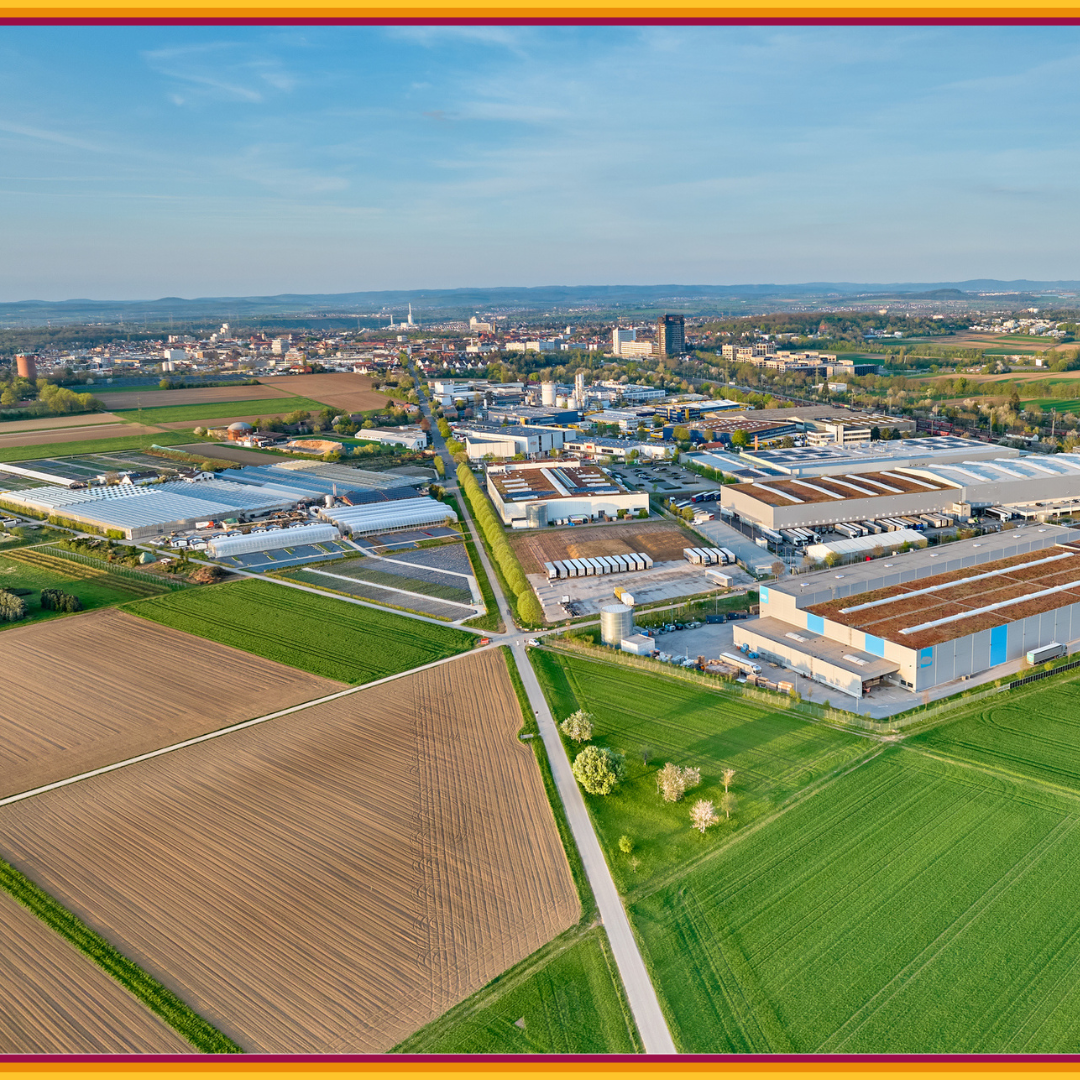
The growth of cities has significantly changed the American rural landscape. The American Farmland Trust (AFT) reports that eleven million acres of farmland and ranchland have been converted to urban areas since the start of the 21st century, averaging about 2,000 acres per day. This change leads to notable shifts in risk exposures and insurance needs for rural residents. The “collision” to which I refer in the title occurs when more than one party tries to occupy the same space. The best time to act to counter or reduce potential conflicts and negative impacts is when municipalities begin developing their multi-year plans.
My experience as a principal of a four-generation family farm taught me that government and economic factors can influence both rural and urban areas. As city boundaries expand into the countryside to support population growth and increase tax revenue, rural communities face more vehicle traffic, raising the risk of dangerous encounters between farm equipment and regular vehicles. The closeness of agricultural chemicals to populated areas draws more attention and increases the likelihood of damage from spills, runoff, or spray drift. When farmers seek additional income outside farming, they risk exceeding their insurance coverage, especially for property used for both farming and non-farming purposes.
Population growth near farms increases exposure to liabilities arising from nuisance, privacy, and trespass claims related to sounds and odors typical of agricultural activities. Regulatory frameworks are essential in managing these risks. City and county zoning ordinances are designed to address local needs and development plans. However, “Freedom to Farm” laws exempt active farms and structures from county zoning unless agricultural land preservation ordinances are in place. Consequently, county zoning has limited authority over ongoing farm operations. During the seminar, participants will learn how zoning and building codes affect insurance coverage, valuation, and limit considerations.
Conversely, city zoning regulations are comprehensive, giving cities the power to separate incompatible land uses and plan for future growth, including zoning areas well beyond their borders. This broad authority can impose new requirements on rural properties.
Insurance policies for farm and residential properties typically cover repairs for conditions that existed before a loss. Changes in zoning and building codes can raise repair costs. Coverage reviews should evaluate policy limits to include zoning-related expenses.
Rezoning for non-agricultural purposes reclassifies farms as “non-conforming uses,” subjecting them to operational restrictions or prohibitions. Changes can occur without landowners’ input or knowledge. Active monitoring of local planning and development is crucial to being prepared.